
Uncategorized • June 22, 2026

What Happens If You Cancel a Credit Card?

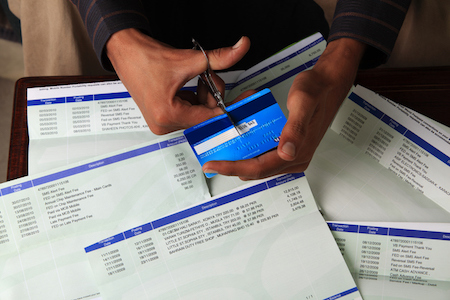
Canceling a credit card that you rarely use or have paid off can feel good. It can give you a sense of accomplishment while lightening your wallet and giving you one less bill to worry about. It can, however, also cause your credit score to drop. But if you want to maintain your current credit score or improve it, then you may want to hold onto that card a little longer.

Closing the account doesn’t remove it from your credit report. Your payment history and credit history length will stay on there for 10 years. It will, however, affect your credit utilization, which is the percentage of the available credit used. The lower your credit utilization, the more it will increase your credit score. About 30 percent of a credit score comes from the credit utilization ratio.

By canceling a card, you’ll have less available credit to spend. Instead, you can improve your credit utilization ratio by paying off most of your credit card balance and then using your credit card less. There are also other options.

In addition to using your card less or not at all, you can call your credit card company and ask them to waive the annual fee. The company’s retention department is likely interested in keeping you as a customer instead of canceling your card because it’s cheaper than trying to acquire new customers. They may also offer you other incentives, such as bonus points.

Another option is to switch to a no-annual-fee card. You’ll have the same credit limit and account number, and the account’s age won’t change on your credit report. Along with no longer paying an annual fee, you’ll likely lose the rewards points program that annual fee cards usually offer, which is fine if you’re not going to use the card anyway.

If you decide to leave your card open, but leave it at home unused, you’ll want to keep it active so that the credit card company doesn’t cancel it automatically. Put a recurring charge such as a subscription on it, along with an auto payment, so that it stays active.


#AnnapolisRealEstateMarket, #AnneArundelCountyLiving, #CroftonRealEstate, #DreamHome, #GambrillsRealtor, #MarylandRealEstate, #MoveWithKathie., #MoveWithKathie.#AnnapolisRealtor #AnnapolisHomes. #AnneArundelCountyLiving #AnnapolisRealEstateMarket., #OdentonHomes, #SeniorDownsizing


Uncategorized • June 22, 2026

How to Identify and Deal With Fire Hazards

Each year, fires destroy homes and cause serious injuries and deaths all across the country. While many of these events are preventable, it’s important to take into consideration the fact that the average home is filled with fire hazards that homeowners may not recognize.

Smoke Detectors
Your home should have smoke detectors near the sleeping and living areas. Many people don’t keep track of the age of smoke detectors or don’t change the batteries often enough, while others remove the batteries to stop a false alarm and forget to put them back. These actions can leave a family unaware of a fire until it’s too late to escape. Keep written records showing when you bought your smoke detectors and change the batteries at recommended intervals.

Cooking, Appliances and Electronics
Turning the heat up too high, leaving food on the stove unattended, not cleaning grease from the stove after each use and allowing curtains, dishtowels, potholders and other combustible materials to get too close to the stove can cause a fire. Keep the area around the stove clean and free of clutter. Never leave a child unattended in the kitchen. Kids may not understand the danger of fire and may be tempted to play with the stove.

Clean the lint filter in the dryer after each use and keep flammable materials away from a water heater to avoid a fire. Have outdated appliances and light fixtures repaired or replaced to avoid having a circuit overload and cause a fire.

An outlet that sparks or that is loose should be replaced by an electrician before it starts a fire. Avoid overloading a power strip or extension cord or using one that is damaged. If your laptop runs hot, the battery may be malfunctioning. Replace it to avoid a fire.

Other Fire Hazards
If you use a fireplace, have it cleaned by a professional every year to remove soot and debris that could catch fire. Keep any flammable materials away from the fireplace, and never leave children or pets unattended in a room where a fire is burning.

Dust bunnies that accumulate in corners and under furniture may not be noticed, but a faulty electrical outlet or appliance can ignite the dust and cause a fire to spread quickly. If your home is dusty, give it a thorough cleaning and work to keep it clean path forward.

Sometimes a fire starts outside a house and engulfs the entire structure. A barbecue can start a fire if grease causes flames to shoot up and ignite the roof or porch. Smoking in the garage to stay out of the rain can cause gasoline, chemicals or rags to catch fire. When using flames outdoors, stay clear of any flammable materials.

Look Around Your Home
House fires are more common than many people realize, but they can often be avoided by simply recognizing and addressing potential dangers. Go from room to room to identify fire hazards in your home and eliminate them.

#AnnapolisRealEstateMarket, #AnneArundelCountyLiving, #CroftonRealEstate, #DreamHome, #GambrillsRealtor, #MarylandRealEstate, #MoveWithKathie., #MoveWithKathie.#AnnapolisRealtor #AnnapolisHomes. #AnneArundelCountyLiving #AnnapolisRealEstateMarket., #OdentonHomes, #SeniorDownsizing

Uncategorized • June 19, 2026

Smart Home Technology You Can Easily Integrate Into Your Home

Smart home technology is advancing beyond telling your phone or internet-enabled device to play music and look up sports scores.

Smart thermostats, lightbulbs, plugs, locks and doorbells are available to homeowners, and the list of things technology can connect to within a home is growing every year.

Here are some smart devices you may want to consider integrating into your home:

Thermostat
With a variety of options to choose from, one of the most popular smart thermostats among today’s homeowners is the Nest Learning Thermostat, which is owned by Google.

The Nest thermostat uses an algorithm to adapt to your preferences, as well as when you leave and arrive home. When you’re away at work, it uses your phone’s location to determine that you’ve left and enters eco mode to save money and energy, reducing bills by up to 15 percent, according to the company.

Floodlight
The Sengled Smart LED Floodlight is an inexpensive way to monitor your home as a motion sensor, while providing light without having to turn the light switch on and off.

Unlike some motion detector lights that require installing new fixtures and possibly wiring, the Sengled Smart LED bulb connects to existing fixtures. Built-in motion and daylight sensors turn the light on automatically for 90 seconds when motion is detected within 30 feet. The light can also be controlled through voice control on Alexa or Google Assistant.

With the Sengled app, you can even receive mobile notifications when motion is sensed.

Smart Lock
The August Smart Lock Pro + Connect attaches to the existing deadbolt and features keyless access. With your phone in your pocket, you can open the door without fumbling for your keys. It automatically locks the door behind you after you leave.

The lock can also be voice activated through Siri, Amazon Alexa or Google Assistant.

Smart Doorbell
Want to see who’s ringing the doorbell? With continuous streaming and video recording, the Nest Hello gives you a 160-degree view and visitor detection alerts. It also has a speaker and microphone so that you can communicate with visitors knocking on your front door whether you’re inside the house—or away from home.

#AnnapolisRealEstateMarket, #AnneArundelCountyLiving, #CroftonRealEstate, #DreamHome, #GambrillsRealtor, #MarylandRealEstate, #MoveWithKathie., #MoveWithKathie.#AnnapolisRealtor #AnnapolisHomes. #AnneArundelCountyLiving #AnnapolisRealEstateMarket., #OdentonHomes, #SeniorDownsizing
Uncategorized • June 19, 2026

Transitioning from a Car Lease to a Purchase

Leasing can be a smart way to test out a car for a few years without buying it. A lease can give you all of the latest technology and some time to determine if you like the car enough to buy it.

If you want to buy it before the lease expires, read the terms of the lease agreement to see if an early buyout costs extra, typically charged in finance fees. It may be worthwhile to wait until the lease ends.

To make sure you’re getting a good deal, research the different ways the car is valued. The first is retail value, which is how much you’d pay to buy it from a dealer. The second is wholesale value, or how much the car would cost at auction. Pricing is available at various websites such as Kelley Blue Book and Edmunds. Be sure to compare the same make, model and mileage.

Compare these numbers with the residual value—that’s an estimate of the car’s value at the end of the lease and will be stated in the lease agreement. A purchase-option fee may be added. Your research will help you compare your car’s value to the residual value to see if it’s close to what you’ve estimated it to be.

Don’t contact the leasing company first if you’re thinking of buying. They’ll come to you, usually 90 days before the lease expires. If they already know you’re interested in buying, you lose an advantage when negotiating.

Start the negotiations by finding financing elsewhere, since that is where the leasing company is likely to start as a way to make more money off you. Check with your bank and other lenders for lease-buyout loans.

Some leasing companies may have a policy against negotiating a buyout price, but it doesn’t hurt to ask. Request that they waive the purchase-option fee and offer financing discounts and other incentives to buy.

Remember that you have some leverage when offering to buy a leased car. You can walk away and find another car, leaving the leasing company the work of finding another buyer for the car when they already have a ready and willing buyer in front of them. Remind them of this opportunity and how much higher their price is than what you’ve found elsewhere, and you hopefully can move them toward a deal.

#AnnapolisRealEstateMarket, #AnneArundelCountyLiving, #CroftonRealEstate, #DreamHome, #GambrillsRealtor, #MarylandRealEstate, #MoveWithKathie., #MoveWithKathie.#AnnapolisRealtor #AnnapolisHomes. #AnneArundelCountyLiving #AnnapolisRealEstateMarket., #OdentonHomes, #SeniorDownsizing


Uncategorized • June 19, 2026

5 Bank Accounts Every Family Should Have

Having all of your family’s money in one bank account can make keeping track of your money easier, but it might not help your family meet its financial goals.

Instead of one big fund for everything — such as a checking account — you might be better equipped to meet several small financial goals with multiple bank accounts. If you’re smart about them, you might also save on fees and make more money off of your money.

Here are five bank accounts every family should have:

1. Regular savings. This is an account to hold money in and only use when needed. You can attach a goal to it, such as saving for a down payment on a house or a family vacation, or it can just sit around for life’s unexpected expenses. Try to save up to three months of living expenses in this fund in case of a short-term emergency.

2. Emergency savings. This account should be used as a last resort and is for big emergencies, such as losing a job and having enough money set aside for 6 – 12 months of living expenses.

3. Joint checking account. This is used to pay your regular bills and other family expenses, though not medical bills, which we’ll get to soon. It’s an account you probably already have and is where most of your income should go before it’s used to pay bills or moved to other accounts. This account should at least cover your monthly expenses.

4. Spousal checking accounts. Each spouse should have their own checking account so that they can buy something however they see fit. The amount shouldn’t be a secret from the other spouse, and it can be used as “fun money.” If everything else in your budget has been paid for, the money in this account is each person’s spot to use as they’d like to.

5. Health Savings Account. Also called an HSA, this is a tax-free account to hold money for medical expenses, from prescriptions to hospital stays. There are some rules to understand before using an HSA, so ask your Human Resources department at work or search online for details. If you’re spending a few thousand dollars a year on your family’s medical costs, a tax-free HSA can make it less expensive.

How much money you put into these accounts is up to you, but do yourself a favor and make it easy by using direct deposit so that a specified amount of money is automatically deposited into each account each month.

#AnnapolisRealEstateMarket, #AnneArundelCountyLiving, #CroftonRealEstate, #DreamHome, #GambrillsRealtor, #MarylandRealEstate, #MoveWithKathie., #MoveWithKathie.#AnnapolisRealtor #AnnapolisHomes. #AnneArundelCountyLiving #AnnapolisRealEstateMarket., #OdentonHomes, #SeniorDownsizing


Uncategorized • June 19, 2026

Healthy Eating Tips to Cut Down on Sodium

For most people, there’s no denying that salt is tasty. The sodium-rich ingredient excites our palates and adds flavor to bland food. But too much of a good thing can be bad.

According to federal stats, nine out of 10 Americans eat more sodium than they need, which can lead to high blood pressure and an increased risk of a heart attack or stroke. The good news is that cutting down on salt and other high-sodium products can help lower your blood pressure or keep it at a healthy level. Use these tips from HealthFinder.gov to reduce the amount of sodium in your diet:

Know your sodium limit. Generally, healthy adults and teenagers 14 years old and above need to limit their sodium intake to no more than 2,300 mg a day. Children younger than 14 need no more than 1,500 to 2,200 mg a day, depending on their age. For people with high blood pressure, limiting sodium intake to 1,500 mg a day may be helpful. Make sure to ask your doctor how much sodium is okay for you.

Shop for low-sodium foods. Believe it or not, most of the sodium we eat doesn’t come from our salt shakers. Sodium is in almost all the processed and prepared foods we buy–even foods that don’t taste salty, such as bread or tortillas. When you’re shopping, limit these high-sodium items: processed meats, poultry and seafood, such as deli meats and sausages; sauces, dressings and condiments; and instant foods, such as flavored rice or noodles.

Check the label. Use the Nutrition Facts label to check the amount of sodium in foods, and compare different options. Try to choose products with 5 percent Daily Value (DV) or less; a sodium content of 20 percent DV or more is high.

Make healthy shifts. Swap out foods that are higher in sodium for healthier options. For example, you can snack on unsalted nuts instead of salted pretzels or chips. Buy plenty of fruits and vegetables, but avoid frozen vegetables with added butter or sauce and canned veggies high in sodium.

Cook more at home. Making your own meals is a great way to eat less sodium, because you’re in control of what goes into your food. Try different herbs and spices, such as ginger or garlic, to flavor your meal instead of salt. Choose condiments that are unsalted or lower in sodium, and if you’re cooking pasta, don’t add salt to the water. When you do eat out, check the menu for any lower-sodium dishes, and ask to get dressings and sauces on the side so you can add only as much as you need.

Add more potassium to your diet. Replace high-sodium foods with high-potassium foods, which can help lower your blood pressure. Good sources of potassium include potatoes, cantaloupe, bananas, beans, milk and yogurt.

#AnnapolisRealEstateMarket, #AnneArundelCountyLiving, #CroftonRealEstate, #DreamHome, #GambrillsRealtor, #MarylandRealEstate, #MoveWithKathie., #MoveWithKathie.#AnnapolisRealtor #AnnapolisHomes. #AnneArundelCountyLiving #AnnapolisRealEstateMarket., #OdentonHomes, #SeniorDownsizing

Uncategorized • June 15, 2026

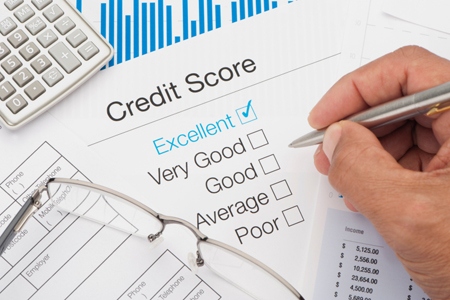
How FICO 9 May Increase Credit Scores

How medical debt and other collection items are tallied in a credit score is changing, potentially increasing the credit scores of millions of people.

Called the FICO 9, the new credit score changes how medical collections are treated from non-medical changes, such as credit cards. A medical debt will now damage a credit score less than paying a credit card bill on time, for example.

FICO 9 came out in 2014, but the improved credit scores could just now be coming to fruition for many consumers because it can take a few years for banks and other lenders to implement the new system.

The new FICO 9 score should give responsible borrowers better access to credit and lower rates on existing credit once the changes are accepted by the industry.

Part of the thinking behind the changes is that for many people facing medical debt collections, it isn’t something they have a lot of control over. People get sick or are in an accident and can’t control how high their medical bills are, and may not even know that their medical debt is in collections.

More than 64 million Americans have some kind of medical collection record on their credit reports, according to Experian, a credit bureau. Almost all medical debts are reported to credit bureaus by collection agencies.

The FICO score is the most widely used credit score in the country, and is used by companies selling mortgages, credit cards, personal loans and more.

Another change with FICO 9 is that older collection items will have less impact on a credit score. Other types of debt that are sold to a collection agency—such as an unpaid utility bill or phone bill, school loan or rent—can still be reported to a credit bureau, but older collections will have less impact on a credit score. If the collection item is paid back, the score will improve.

I hope you found this real estate information helpful. Please contact me for all your real estate needs today!

How medical debt and other collection items are tallied in a credit score is changing, potentially increasing the credit scores of millions of people.

Called the FICO 9, the new credit score changes how medical collections are treated from non-medical changes, such as credit cards. A medical debt will now damage a credit score less than paying a credit card bill on time, for example.

FICO 9 came out in 2014, but the improved credit scores could just now be coming to fruition for many consumers because it can take a few years for banks and other lenders to implement the new system.

The new FICO 9 score should give responsible borrowers better access to credit and lower rates on existing credit once the changes are accepted by the industry.

Part of the thinking behind the changes is that for many people facing medical debt collections, it isn’t something they have a lot of control over. People get sick or are in an accident and can’t control how high their medical bills are, and may not even know that their medical debt is in collections.

More than 64 million Americans have some kind of medical collection record on their credit reports, according to Experian, a credit bureau. Almost all medical debts are reported to credit bureaus by collection agencies.

The FICO score is the most widely used credit score in the country, and is used by companies selling mortgages, credit cards, personal loans and more.

Another change with FICO 9 is that older collection items will have less impact on a credit score. Other types of debt that are sold to a collection agency—such as an unpaid utility bill or phone bill, school loan or rent—can still be reported to a credit bureau, but older collections will have less impact on a credit score. If the collection item is paid back, the score will improve.

I hope you found this real estate information helpful. Please contact me for all your real estate needs today!

#AnnapolisRealEstateMarket, #AnneArundelCountyLiving, #CroftonRealEstate, #DreamHome, #GambrillsRealtor, #MarylandRealEstate, #MoveWithKathie., #MoveWithKathie.#AnnapolisRealtor #AnnapolisHomes. #AnneArundelCountyLiving #AnnapolisRealEstateMarket., #OdentonHomes, #SeniorDownsizing


Uncategorized • June 15, 2026

What to Do Before and After Setting Up a Subscription Service

You can buy almost anything through a subscription service today and have it delivered to your home. While the premise behind subscription services is enticing, they can cost you more in the long run if you’re not careful.



Here are some things to consider before setting up a subscription service:

Why do you want it? If you’re saving time, and not much money, through a subscription service, it can still be worthwhile. Avoiding a trip to the grocery store can be enough savings in time to make up for the extra cost of having dinner packages arrive at your doorstep that you cook, for example. If the subscription also saves you money, all the better.

But what if you’re buying something you don’t really need, or just want to try something out that everyone else you know is trying?

That’s okay if you can afford it and are sure you’re only going to give it a shot for a month before deciding if you’re going to cancel. But don’t give in to peer pressure or the joy of buying yourself a regular gift each month if it’s something you don’t need or can’t afford, as this could lead to more debt and unwanted items cluttering your home.

Research the service. Read the fine print on the service’s website before signing up. Are you required to buy something every month? How much notice do you need to give to cancel? How easy is it to change an order? Is customer service easy to contact? Will you pay shipping costs? Tax?

In addition, read customer reviews on Yelp or other review sites you trust. At the very least, Google the name of the subscription service you’re considering and see what people are saying about it.

Evaluate each delivery. Your credit or debit card will automatically be charged for each delivery, so you may not notice the cost until your credit card or bank statement arrives in the mail, making the box of fun stuff you receive seem like a free gift.

It’s not. Remember that you’re still ultimately paying for it, which means that you should evaluate the benefit of the subscription every time one arrives. Are the contents still worth the cost to you? If there’s an inkling in your mind that it’s not worthwhile, then it’s time to move on.

Don’t forget to cancel. If a subscription box isn’t of value to you anymore, take the final step and cancel your membership.

Unsubscribing should be easy enough. Log in to your account and unsubscribe. Remove your credit card number and move on. Most companies should only require a few days before your next shipment goes out to cancel, though some require 30 days.

Do whatever you need to do to cancel, then enjoy the savings.

#AnnapolisRealEstateMarket, #AnneArundelCountyLiving, #CroftonRealEstate, #DreamHome, #GambrillsRealtor, #MarylandRealEstate, #MoveWithKathie., #MoveWithKathie.#AnnapolisRealtor #AnnapolisHomes. #AnneArundelCountyLiving #AnnapolisRealEstateMarket., #OdentonHomes, #SeniorDownsizing


Uncategorized • June 15, 2026

How to Choose the Best Houseplants

Just like picking paint and furniture, it’s important to spend time choosing the best plants for your interior space. Not only should you be considering the care your new plant friends will need, but also how they will impact your space as they grow to their full forms. Below are several tips for picking the best houseplants.

Understand sun exposure. The quickest way to shrivel a houseplant is by giving it the improper amount of sunshine. Take the time to get to know the sunniest and shadies areas of your interior, and pick plants that thrive in that environment.

Consider maintenance. If you’re choosing houseplants that need a good amount of TLC—water, trimming, etc.—make sure you have the time in your schedule and bandwidth in your brain to take this on. If not, pick a plant that needs minimal attention, like a succulent.

Pick proper containers. Learn the root length of the plant you’re choosing, and how big it’s likely to grow, pick a container that can accommodate it—consider drainage, too!

Choose plants that compliment your space. Have tall ceilings? Consider a plant that grows tall, not wide like a palm. Looking to make your room look a little wild? Pick a climbing plant, like a golden pothos or some form of ivy.

Consider color. While varying shades of green can feel gorgeously lush, no need to stop there! Add color to your interior botanics, like orchids, peace lilies or prayer plants.

#AnnapolisRealEstateMarket, #AnneArundelCountyLiving, #CroftonRealEstate, #DreamHome, #GambrillsRealtor, #MarylandRealEstate, #MoveWithKathie., #MoveWithKathie.#AnnapolisRealtor #AnnapolisHomes. #AnneArundelCountyLiving #AnnapolisRealEstateMarket., #OdentonHomes, #SeniorDownsizing


Uncategorized • June 12, 2026

Simple Ways to Avoid Defaulting on Student Loans

No matter the reason, neglecting to pay your federal student loans can result in a slew of negative consequences, from bill collectors knocking at your door to a big drop in your credit score. It can also make it difficult to be approved for other loans further down the road.

But it doesn’t end there. In fact, one of the biggest problems associated with defaulting on federal student loan debt is one that will hit hard every time you get a paycheck: wage garnishment.

To that end, it’s important to understand that the federal government can take up to 15 percent of each paycheck as a way to satisfy your debt. So, if you take home $2,000 per month, the Education Department can take $300 out of your paychecks each month.

And that’s not all they can take. They can also withhold federal benefits such as tax refunds and Social Security payments.

While there are ways to avoid wage garnishment, many of the options aren’t available until your loan is in good standing. That’s why it’s important to avoid having your loan go into default, which, for most federal loans, is nearly nine months past due.

Here are some options to consider if your student loan is about to go into default:

Change Your Repayment Plan
If you’re having trouble making the minimum monthly payment, then it’s a good time to ask your loan servicer for other repayment options.

The federal government has many types of payment plans. Options include loan forgiveness for government and nonprofit employees, income-driven plans to make payment affordable and an extended repayment plan that allows 25 years to repay a loan.

Refinance or Consolidate
If you’ve made loan payments on time, you may be able to refinance your student loans at a lower interest rate. Ask your loan provider if this is an option.

If you have multiple student loans, you may be able to save some money by consolidating the federal loans into a single loan with its own interest rate.

Use the 30-Day Window
If your loan is about to go into default, a collection agency that’s working for the federal government will notify you by mail 30 days ahead of time that it’s going to garnish your wages. You can use that time to negotiate payment arrangements with the agency, provided your first payment is made within that 30-day window.

To avoid any of your pay being garnished, you must request a hearing within that window to appeal the garnishment. You’ll fill out a form detailing your income, debt and expenses.

Rehabilitate Your Loan
Borrowers are offered a one-time chance to get out of default through loan rehabilitation. While your wages will still be garnished, they’ll be taken into consideration—along with other bills—when deciding how much your monthly payment should be.

Make nine of those payments within 10 months and your loans move out of default. Wage garnishment will then stop, and you can choose a repayment plan that works best for you.

This article is intended for informational purposes only and should not be construed as professional or legal advice.

#AnnapolisRealEstateMarket, #AnneArundelCountyLiving, #CroftonRealEstate, #DreamHome, #GambrillsRealtor, #MarylandRealEstate, #MoveWithKathie., #MoveWithKathie.#AnnapolisRealtor #AnnapolisHomes. #AnneArundelCountyLiving #AnnapolisRealEstateMarket., #OdentonHomes, #SeniorDownsizing