
Uncategorized • August 20, 2026

Reasons to Buy a Greenhouse

Gardening can be an excellent way to relax, connect with nature, and grow food for your family and flowers to decorate your home and share with others. Unfortunately, seasonal temperature changes, unpredictable weather and other issues can make growing plants outdoors a challenge. With a greenhouse, you can avoid these problems.

Grow What You Want, When You Want
Most plants only grow well under specific conditions and therefore can only be raised outdoors at certain times of the year. A greenhouse can allow you to control the temperature and amount of humidity so your vegetables, flowers and herbs will have the optimal growing conditions in any season.

Too much or too little rain, temperature fluctuations and unexpected frost can ruin crops you’ve worked on raising for months. With a greenhouse, you won’t need to worry about any of that. Your plants will be protected from extreme weather in a carefully controlled environment with consistent conditions.

Protect Your Plants From Outdoor Hazards
Insects can invade an outdoor garden and destroy plants, and wild animals can eat vegetables and flowers before you have a chance to pick them. Pets (either yours or someone else’s) can run through a garden and trample plants. With a greenhouse, your plants will be shielded from all these hazards so they can reach their full potential.

Save Money
If you grow vegetables in a greenhouse, you may save a lot on groceries. Supermarket prices fluctuate based on the season and growing conditions, but with a greenhouse you can have the vegetables of your choice any time you want at a fraction of the cost.

Improve Your Health
Gardening is a great form of exercise. In addition, working outdoors and being surrounded by nature can help you manage stress. Tending to your plants can give you something to look forward to each day, as well as the satisfaction of watching your plants grow and then having the opportunity to enjoy them and share your bounty with others.

How to Choose a Greenhouse
Greenhouses are available in a wide range of sizes and styles, and you can choose the design and number of doors that best suit your plans and needs. Figure out which types of plants you’d like to grow and approximately how much space you want to devote to each, as well as how much space you’ll need for seeds and gardening tools. Then consider the size and layout of your yard, as well as which part gets the most sunlight, to choose a greenhouse that matches your needs and the amount of space available.

Is Greenhouse Gardening Right for You?
Gardening can be beneficial to your physical and mental health, but unpredictable weather and other challenges can make raising plants outdoors difficult. A greenhouse can allow you to carefully control the environment so you can raise the plants you want in any season. If you’ve been frustrated by outdoor growing, explore the benefits of raising plants in a greenhouse.


Kathie Aldunate Realtor
Century21 New Millennium
1730 West Street, Annapolis.21401
C:443-717-0292
O:410-266-905
.#AnnapolisRealtor #AnnapolisHomes. #AnneArundelCountyLiving #AnnapolisRealEstateMarket., #OdentonHomes, #SeniorDownsizing
#AnnapolisRealEstateMarket, #AnneArundelCountyLiving, #CroftonRealEstate, #DreamHome, #GambrillsRealtor, #MarylandRealEstate, #MoveWithKathie.,


Uncategorized • August 20, 2026

How to Balance Saving for Retirement and Saving for Your Kids’ College Education

Many people are on a tight budget and don’t save as much as they should for retirement. If you have children and you want to save for their education, things can get even trickier. Here are some tips to help you prioritize and accumulate enough savings.

Make Logical Decisions
You have likely heard stories about recent college graduates who are overwhelmed with student loan debt and don’t want your own kids to wind up in the same boat. That’s completely understandable, but don’t let those feelings cause you to focus so much on saving for your kids’ future that you neglect to prepare for your own.

Your kids can choose from a wide array of colleges and majors. They can start off at less expensive schools to save money and transfer to more expensive institutions later. They can receive grants and scholarships, take out loans and work during the school year and vacations to pay for their education.

You will have far fewer options to cover your retirement costs. If you’re older and not in good health, you probably won’t be able to work full-time and you may have expensive medical bills. You won’t be able to take out loans to cover all your expenses and you don’t want your kids to shoulder the burden of supporting you financially.

If you need to save for retirement and you also want to set aside money for your children’s education, it’s important to make decisions based on logic, rather than emotion. Focus on saving for your own future before saving for your children’s. This isn’t selfish; it’s realistic and practical.

Retirement and College Savings Strategies
If your employer offers a 401(k) or another retirement plan with a match, contribute as much as you can. Any match you receive is essentially free money, so try to contribute enough to get the full match. Whether your employer offers a retirement plan or not, you can also open a Traditional or Roth IRA. Explore the tax implications of each to decide which would make more sense given your financial circumstances.

You can also open a 529 college savings plan for each of your children. Depending on where you live, you may enjoy significant tax advantages. The sooner you start saving, the more time the money will have to grow. You can contribute money yourself and encourage family members to make contributions to the accounts instead of giving your children money for birthdays and holidays. Even small amounts can add up over time.

Seek Professional Advice
Saving for retirement and for your children’s college education are both important goals, but with limited funds, you will need to set priorities. Focus on your own retirement first and then save as much as you can for your children’s education. If you need help deciding which plans would be best for your family and figuring out how to fit long-term savings into your monthly budget, talk to a financial advisor.

Kathie Aldunate Realtor
Century21 New Millennium
1730 West Street, Annapolis.21401
C:443-717-0292
O:410-266-905
.#AnnapolisRealtor #AnnapolisHomes. #AnneArundelCountyLiving #AnnapolisRealEstateMarket., #OdentonHomes, #SeniorDownsizing
#AnnapolisRealEstateMarket, #AnneArundelCountyLiving, #CroftonRealEstate, #DreamHome, #GambrillsRealtor, #MarylandRealEstate, #MoveWithKathie.,
Uncategorized • August 20, 2026

Bank vs. Credit Union: Which Is Better for Savings, Checking and Loans?

If you want to open a savings or checking account or take out a loan, you have an array of options, including thousands of banks and credit unions. It’s important to understand the differences between them to figure out which would be better for you.

Structure and Membership
Banks work to earn profits, while credit unions are nonprofit institutions. Banks and credit unions provide many of the same services, such as checking and savings accounts, loans, mortgages and investment options. Deposits in both types of institutions are insured by the federal government up to $250,000.

Credit unions are owned by their customers. Membership in credit unions is frequently open to people who work for a particular company or who belong to an organization, or to the family members of those people. Banks don’t have any membership requirements. Credit union members can vote on policies and be involved in decision-making.

Fees and Interest Rates
Since credit unions aren’t seeking to make a profit, they typically have fewer fees than banks, and the fees they charge are typically lower. Credit unions generally don’t charge fees for checking accounts. Some banks offer free checking but have minimum balance requirements and other restrictions. Credit unions generally don’t. In addition, credit unions usually have lower fees for loans and mortgages. Another consequence of the fact that credit unions aren’t profit-driven is that they tend to have higher interest rates for savings accounts and CDs and lower interest rates for loans and mortgages.

Customer Service
Credit union customers typically report higher levels of satisfaction with the service they receive than bank customers do. Banks set rules at the top and must enforce them consistently, while credit unions are generally smaller and locally focused and, therefore, have more flexibility. It’s important to note that some smaller banks also get high ratings when it comes to customer satisfaction.

Credit unions often sell mortgages to other companies to service the loans after closing. If you obtained a mortgage through a credit union, you might have to deal with a different mortgage servicer, but you could save a substantial amount in fees.

Banks usually have more branches, but credit unions formed a CO-OP shared branch network to provide access to branches and ATMs across the U.S. without a surcharge. Large banks typically offer online banking and mobile apps, but credit unions are often slower to adopt new technology.

Is a Bank or Credit Union a Better Choice for You?
Financial institutions offer a wide range of products and have different policies, fees and interest rates. While there are some general principles that hold true, it’s important to conduct research to get the details about specific banks and credit unions so you can make an informed decision.

This article is intended for informational purposes only and should not be construed as professional advice.

Kathie Aldunate Realtor
Century21 New Millennium
1730 West Street, Annapolis.21401
C:443-717-0292
O:410-266-905
.#AnnapolisRealtor #AnnapolisHomes. #AnneArundelCountyLiving #AnnapolisRealEstateMarket., #OdentonHomes, #SeniorDownsizing
#AnnapolisRealEstateMarket, #AnneArundelCountyLiving, #CroftonRealEstate, #DreamHome, #GambrillsRealtor, #MarylandRealEstate, #MoveWithKathie.,


Uncategorized • August 19, 2026

How to Keep Animals and Insects out of Your Shed

Animals and insects seek out shelter, food and water wherever they can find them, and sheds are often their best option. Pests will squeeze through small holes or make their own to get into a shed. Then, once they’re inside, they’ll make meals out of the shed’s contents, leave waste and sometimes reproduce.

Don’t Attract Pests
Insects and animals such as raccoons are drawn to garbage. Raccoons will tip over trash cans and spread garbage around, and insects will lay eggs. Keep trash out of your shed.

If you store anything in your shed that animals or insects could eat, such as seeds for your garden, birdseed or pet food, keep the food source in strong, airtight containers. You should also keep compost, potting soil and sawdust out of the shed. If you store wood in your shed, place plastic under and over it to keep insects away.

Insects such as mosquitoes are attracted to standing water. Seal any leaks and ventilate the shed to prevent moisture buildup.

Bugs like to make their homes in areas that are untouched by humans and filled with dirt and debris. Sweeping or vacuuming your shed regularly can keep insects out.

Spiders are often drawn to sheds because other insects can serve as food sources for them. If you notice spiderwebs in your shed, you may also have a problem with other types of insects.

Keep Animals and Insects out
Look around your shed for gaps or holes. If you find any, even tiny ones, seal them with caulk, wire mesh, sheet metal, or concrete to keep rats, mice, and other pests out. You can keep burrowing animals out of the shed by burying chicken wire under it and extending the chicken wire at least a foot from the shed.

Gardening and landscaping tools can pick up insects or eggs that you can’t see. If you store tools in your shed, clean them before you put them away to avoid bringing insects into the shed.

What to Do If You Have a Pest Problem
If your shed is already infested with insects, identify them and use an appropriate type of insecticide. If you have children or pets, keep them away from the area after you spray insecticide to prevent accidental exposure to toxic chemicals. If animals are living in your shed, hire a professional to trap them and seal off the entry points they used to get inside.

Be Proactive
Animals and insects are attracted to sheds because the structures often ideal sources of food, water and shelter. Preventing a problem is better than trying to eradicate pests and fix damage they caused. If you have a backyard shed, follow these tips to keep pests out.

Kathie Aldunate Realtor
Century21 New Millennium
1730 West Street, Annapolis.21401
C:443-717-0292
O:410-266-905
.#AnnapolisRealtor #AnnapolisHomes. #AnneArundelCountyLiving #AnnapolisRealEstateMarket., #OdentonHomes, #SeniorDownsizing
#AnnapolisRealEstateMarket, #AnneArundelCountyLiving, #CroftonRealEstate, #DreamHome, #GambrillsRealtor, #MarylandRealEstate, #MoveWithKathie.,


Uncategorized • August 19, 2026

A 10-Point Guide to Healthy Meals

Most everyone knows a healthy diet is important for a healthy body. But eating the right foods every day might be easier said than done–especially with so much tempting junk food available! If you’re looking to improve your diet, start by making some small changes and learning the keys to healthy eating.

Try to include all the major food groups–fruits, vegetables, grains, dairy and protein–as part of your meals and snacks daily. You’ll also want to limit added sugars, saturated fat and sodium. For further guidance, check out these 10 tips from ChooseMyPlate.gov for building healthy meals and meeting your eating needs throughout the day:

1. Make half your plate veggies and fruits. Vegetables and fruits are full of nutrients that support good health. Choose fruits and red, orange and dark-green vegetables, such as tomatoes, sweet potatoes and broccoli.

2. Include whole grains. Aim to make at least half your grains whole grains. Look for food labels indicating the product is 100-percent whole grain or whole wheat. Whole grains provide more nutrients, including fiber, than refined grains do.

3. Don’t forget the dairy. Complete your meal with a cup of fat-free or low-fat milk. You’ll get the same amount of calcium and other essential nutrients as whole milk but fewer calories. Don’t drink milk? Try drinking soymilk or include low-fat yogurt in your meal or snack.

4. Add lean protein. Choose proteins such as lean beef, pork, chicken or turkey, as well as eggs, nuts, beans or tofu. Twice a week, try to make seafood the protein on your plate.

5. Avoid extra fat. Using heavy gravies or sauces will add fat and calories to otherwise healthy choices. Try steamed broccoli with a sprinkling of low-fat parmesan cheese or a squeeze of lemon.

6. Get creative in the kitchen. Whether you’re making a sandwich, stir-fry or casserole, find ways to make them healthier. Try using less meat and cheese, which can be higher in saturated fat and sodium, and including more veggies that add new flavors and textures to your meals.

7. Take control of your food. Eat at home more often so you know exactly what you’re eating. If you eat out, check and compare the nutrition information. Choose options that are lower in calories, saturated fat and sodium.

8. Try new foods. Keep it interesting by picking out new foods you’ve never tried before, such as mango, lentils, quinoa, kale or sardines. You may find a new favorite! Trade fun and tasty recipes with friends, or find some online.

9. Satisfy your sweet tooth in a healthy way. Indulge in a naturally sweet dessert dish—fruit! Serve a fresh fruit salad or a fruit parfait made with yogurt. For a hot dessert, bake apples and top them with cinnamon.

10. Remember that everything you eat and drink matters. The right mix of foods in your meals and snacks can help you be healthier now and into the future. Small, practical changes in how you eat can improve your diet and add up to big wins over time.

Kathie Aldunate Realtor
Century21 New Millennium
1730 West Street, Annapolis.21401
C:443-717-0292
O:410-266-905
.#AnnapolisRealtor #AnnapolisHomes. #AnneArundelCountyLiving #AnnapolisRealEstateMarket., #OdentonHomes, #SeniorDownsizing
#AnnapolisRealEstateMarket, #AnneArundelCountyLiving, #CroftonRealEstate, #DreamHome, #GambrillsRealtor, #MarylandRealEstate, #MoveWithKathie.,
Uncategorized • August 19, 2026

Simple Tips to Tackle Credit Card Debt

Credit cards are convenient for shopping and can come in handy during emergencies, but unless you’re careful, it’s easy to rack up debt fast. If you’re one of the millions of Americans that hold credit card debt, the following tips from the National Association of Personal Financial Advisors will help set you on your way to living debt-free:

Hit the Pause Button. Take a look at exactly what you’re spending during any given month, and determine if there are any automated payments that can be eliminated or paused temporarily while you work to pay off your debt. You might even consider putting off large expenses for one year to help you pay your debt off faster.

Reduce Interest Rates. Once you’ve taken stock of all the credit cards in your wallet, as well as interest rates and minimum payments, call your credit card companies to see if there’s any chance they could waive late payments or reduce interest rates.

Work Toward Eliminating Your Most Expensive Card First. While it’s important to pay the monthly minimum on all cards to avoid fees, any leftover money should be applied to the card with the highest interest rate. Once you’ve paid this card off, apply the same strategy to the card with the second-highest interest rate while making minimum payments on all other cards. Repeat the process until all of your credit cards have been paid off.

Create a Written Budget. Putting pen to paper and creating a written budget will go a long way toward helping you stay out of debt in the future. Be sure to include an emergency fund in your budget so that you’re financially prepared should you experience a job loss or health crisis. And don’t forget to check in with your budget each and every month.

Set Goals and Keep Your Eye on the Prize. Whether it’s saving for a down payment or preparing to go back to school, write down your goals so that you’re more driven to reach them. Remember that the changes you’re making now will help you reach your goals well into the future.

Kathie Aldunate Realtor
Century21 New Millennium
1730 West Street, Annapolis.21401
C:443-717-0292
O:410-266-905
.#AnnapolisRealtor #AnnapolisHomes. #AnneArundelCountyLiving #AnnapolisRealEstateMarket., #OdentonHomes, #SeniorDownsizing
#AnnapolisRealEstateMarket, #AnneArundelCountyLiving, #CroftonRealEstate, #DreamHome, #GambrillsRealtor, #MarylandRealEstate, #MoveWithKathie.,
Uncategorized • August 19, 2026

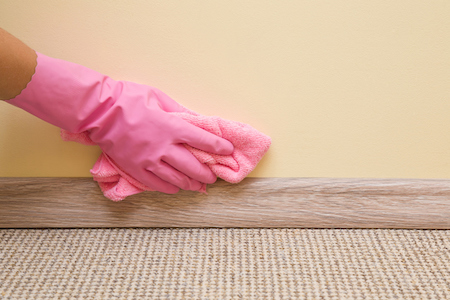
How to Clean Painted Walls

Did your toddler scribble on the walls? Or perhaps a year or two of wear and tear have your interior paints looking less than pristine. If your walls could use a little TLC, but you’re not quite ready for a fresh coat of paint, consider the following methods for freshening up.
Latex Paints
Whether you have dirt or dust clogging up your paint job, all you need to do is mix a few drops of dish soap into warm water, soak and wring a sponge, and go. Be sure to wring the sponge to avoid long drips making their way down your walls and right into your electrical socket.
If you don’t want to use dish soap, two tablespoons of white vinegar to one gallon of water will also do the trick.
Warning: Never use a scrubby sponge, brillo pad or harsh cleaning solution, or you could risk ruining your paint job.
Oil-Based Paints
If your interior paint is oil-based and soap or vinegar just aren’t cutting it, you can safely use a mild degreaser—especially helpful on greasy kitchen walls. Just be sure to follow the instructions on your package carefully to avoid ruining your paint.
Again, avoid harsh scrubbing pads or other cleaners, or you may find yourself repainting, pronto.

Kathie Aldunate Realtor
Century21 New Millennium
1730 West Street, Annapolis.21401
C:443-717-0292
O:410-266-905
.#AnnapolisRealtor #AnnapolisHomes. #AnneArundelCountyLiving #AnnapolisRealEstateMarket., #OdentonHomes, #SeniorDownsizing
#AnnapolisRealEstateMarket, #AnneArundelCountyLiving, #CroftonRealEstate, #DreamHome, #GambrillsRealtor, #MarylandRealEstate, #MoveWithKathie.,
Uncategorized • August 19, 2026

Are You Eating Too Much Sugar?

Consuming too much sugar can affect your health in a host of ways. Many people don’t realize how much sugar is in the processed foods and beverages they enjoy on a regular basis. Some, such as tomato sauce and juice, have a lot more sugar than you might expect.

How Sugar Can Affect Your Health
Processed foods contain fructose, a simple sugar that increases appetite and prevents the body from recognizing when it’s full. This leads to overeating and weight gain, with fat often stored in the belly. Consuming a lot of sugar can lead to inflammation, high blood sugar, high blood pressure, fatty deposits in arteries and insulin resistance. These factors increase the risk of developing heart disease, diabetes and certain types of cancer.

Fructose is broken down by the liver and converted into energy or stored in the form of glycogen. Excess glycogen that can’t be stored is turned into fat, which can lead to non-alcoholic fatty liver disease. High blood sugar levels can also damage the blood vessels in the kidneys and increase the risk of kidney disease. In addition, sugar increases the level of uric acid in the blood, which raises the risk of developing gout, a condition that causes painful inflammation in the joints.

Eating too much sugar can affect your skin. Processed foods with a high glycemic index quickly raise blood sugar and insulin levels, which can increase oil production and lead to acne. A high-sugar diet can also cause skin to age and wrinkle prematurely.

Telomeres at the end of chromosomes prevent damage. Telomeres naturally shorten with age, but consuming too much sugar can cause them to shorten more quickly, thus speeding up the aging process.

High-sugar foods cause blood sugar levels to spike and then fall. This leads to a burst of energy, followed by a crash. Eating carbs that are low in sugar and high in fiber can lead to more stable energy levels.

Rapid changes in blood sugar levels can disrupt the regulation of neurotransmitters and cause inflammation. These factors can increase the risk of depression. A high-sugar diet can also affect memory and may increase the risk of developing dementia.

Cut Back on Sugar
If you’re concerned about how the sugar you eat may be affecting your health, look for ways to cut back. Read nutrition labels. You may be surprised at how much sugar is in the foods you normally buy.

Consume fewer processed foods and beverages and more whole, unprocessed foods. If you eat out a lot, you may have no idea how much sugar is in the foods you’re being served. Cooking your own meals at home is a simple way to know what you’re eating. Writing down everything you eat can help you better understand your habits and look for areas where you can make changes.

Kathie Aldunate Realtor
Century21 New Millennium
1730 West Street, Annapolis.21401
C:443-717-0292
O:410-266-905
.#AnnapolisRealtor #AnnapolisHomes. #AnneArundelCountyLiving #AnnapolisRealEstateMarket., #OdentonHomes, #SeniorDownsizing
#AnnapolisRealEstateMarket, #AnneArundelCountyLiving, #CroftonRealEstate, #DreamHome, #GambrillsRealtor, #MarylandRealEstate, #MoveWithKathie.,
Uncategorized • August 14, 2026

Should Credit Cards Be Used for Small Purchases?

Credit cards can be used to buy almost anything, but using them for small purchases can seem like a waste of time when debit cards or cash are more convenient. However, there are both advantages and disadvantages to using a credit card for small purchases.
The Negatives
The ease of use of a credit card can lead to spending without giving it much thought, and can encourage you to make unnecessary purchases or spend more than you normally would.
Numerous studies have shown that credit cards cause people to spend more. McDonald’s reports that it sells an average of $7 to someone using a credit card, compared to $4.50 to someone paying in cash.
States have been found to raise highway tolls more often when drivers pay through electronic toll collection instead of cash. An electronic debit isn’t seen as “real money” until the credit card statement arrives.
Making a lot of small purchases on a credit card can lead to a long billing statement, requiring consumers to carefully go over them for fraudulent charges or mistakes. Criminals take advantage of this by making several small, unauthorized charges instead of large ones that are easier to spot.
Not paying your credit card bill in full each month is another downside to putting a lot of small purchases on a card. If you’re paying interest on a credit card balance, you’re essentially paying more for everything you bought with the card. This goes for items big and small.
The Positives
The upside to making small purchases with a credit card is that doing it regularly can eliminate the need to go to the bank or carry large sums of money. Small transactions can also add up in credit card rewards—though they’re only worthwhile if you pay off the balance after each statement cycle.
And in a small way, multiple small purchases on a credit card can show you how much you’re spending on small things that you may be able to do without and save some money on. Those coffees, candies and other small expenses add up, and a credit card bill of several pages is an Kathie Aldunate Realtor
Century21 New Millennium
1730 West Street, Annapolis.21401
C:443-717-0292
O:410-266-905
.#AnnapolisRealtor #AnnapolisHomes. #AnneArundelCountyLiving #AnnapolisRealEstateMarket., #OdentonHomes, #SeniorDownsizing
#AnnapolisRealEstateMarket, #AnneArundelCountyLiving, #CroftonRealEstate, #DreamHome, #GambrillsRealtor, #MarylandRealEstate, #MoveWithKathie.,easy way to see them together.

Uncategorized • August 14, 2026

3 Stress-Busting Tips to Help You Start Your Day

Between working, taking care of kids and maintaining a social schedule, the hustle and bustle of daily life can cause some people to feel exhausted, stressed or both. If you find yourself dragging your feet in the morning, waking up in a funk or dreading a stress-filled day, try to make a little time for yourself to boost your spirits.

Here are a few morning tips to help you take on the day with less stress and more smiles:

Make time to stretch. Stretching reduces anxiety and tension and slows down your heart rate. It can also improve your energy and clear your head. And don’t forget that your body will feel better—there’s no harm in that! A few simple yoga poses first thing in the morning can also reduce stress. Studies have found that people who did a few simple yoga stretches every morning reported less stress and an overall improved quality of life than those who didn’t.

Come up with a ritual. Creating a little ritual you do each morning “just for you” carves out some quality you-time first thing. Giving yourself attention first will allow you to look forward to waking up and help you take on the day with a positive outlook. This ritual can be something as simple as sitting on the porch with a cup of coffee or reading a book for half an hour, or something more complex like working on a novel or learning a new language. Whatever you choose, it should be as essential to your well-being as your daily shower.

Create a secret smile stash. Come up with a few go-to smile-inducers to fall back on if you wake up in a down mood. Stash a collection of photos from vacation with family and friends, love letters from your sweetie, or music that always gets you dancing or lifts your spirits. These little happy-makers could help put a little more pep in your step on your way out the door, and make you ready to take on the day.

Kathie Aldunate Realtor
Century21 New Millennium
1730 West Street, Annapolis.21401
C:443-717-0292
O:410-266-905
.#AnnapolisRealtor #AnnapolisHomes. #AnneArundelCountyLiving #AnnapolisRealEstateMarket., #OdentonHomes, #SeniorDownsizing
#AnnapolisRealEstateMarket, #AnneArundelCountyLiving, #CroftonRealEstate, #DreamHome, #GambrillsRealtor, #MarylandRealEstate, #MoveWithKathie.,